From $99/mo, We Accept Financing
Elite Treatments
South Boston’s Premier Mens Health &
Wellness Center
Elite Treatments
Enhanced
Confidence
South Boston’s Premier Mens Health &
Wellness Center


your procedure if you mention Mike Felger’s name


Enjoy flexible payment plans, including interest-free options!
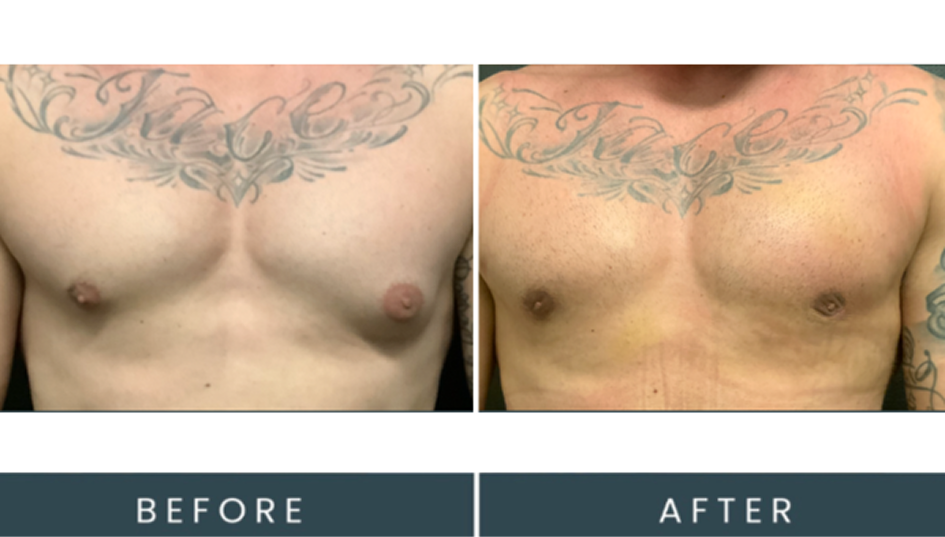
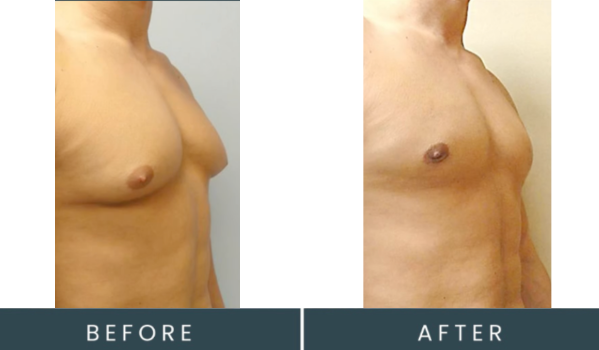
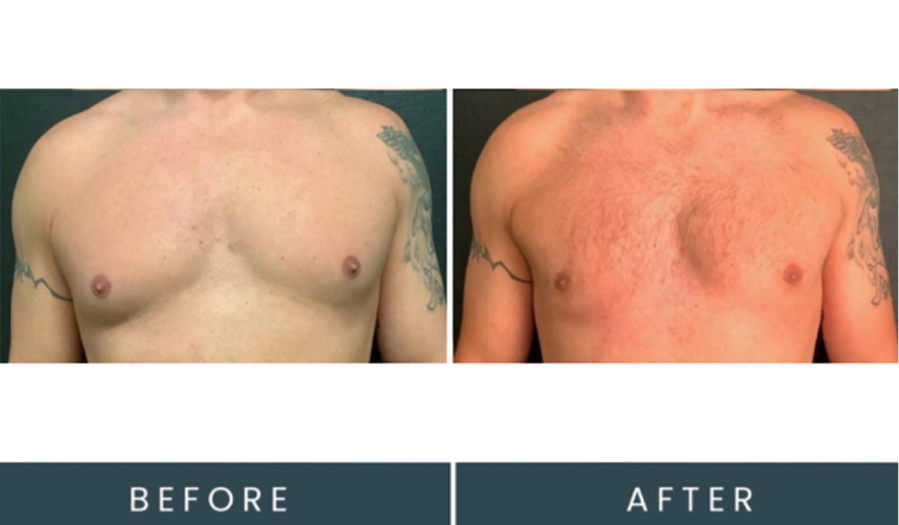
Dr Edwin Ishoo has developed ChestSculpt, a technique to reduce the enlarged breast gland in the appropriate candidates, through a small
lateral puncture, avoiding potentially unsightly areolar scar or fold which can lead to deformity. Dr Ishoo has performed many Male Breast
Reduction procedures and is highly experienced in creating a customized surgical plan for each patient.

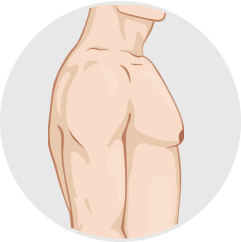
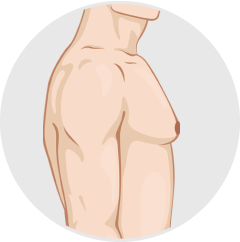
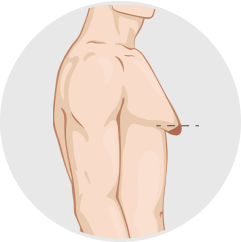
Gynecomastia is a condition causing excess tissue and fat to form in the male chest, often referred to as “man boobs.” It affects around 65-70% of males, primarily during puberty or later in life. While not typically painful, it can greatly impact self-esteem and body confidence.


Utilizing advanced tools and techniques, Doctor Ishoo
achieves precise fat targeting and glandular tissue removal.
The procedure is a quick out patent procedure.
Gynecomastia is a medical condition in which there is an abnormal growth of breast tissue in males, resulting in enlarged breasts. This can be caused by a hormonal imbalance.
The primary cause of gynaecomastia is an imbalance in the hormones testosterone and estrogen. Gynaecomastia can be brought on by several factors, including puberty, ageing, pharmaceuticals (such as antidepressants, anabolic steroids, or testosterone), substance misuse (alcohol or narcotics), certain medical problems (such as renal failure or hyperthyroidism), and even fat. The syndrome is caused by overproduction or greater sensitivity to estrogen, which encourages breast tissue development.
Besides a noticeable increase in breast size and fullness, some men with gynecomastia may experience breast tenderness or pain. Skin irritation, chafing and even infection can occur due to excess breast tissue and skin. Less commonly, there may be nipple discharge in one or both breasts.
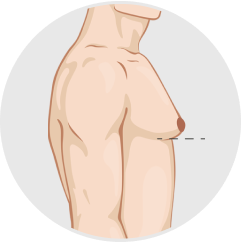
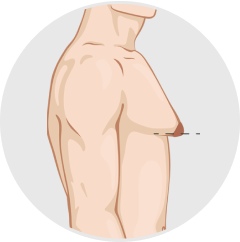
Puffy Nipples’ occur as a result of a buildup of breast glandular tissue right behind the nipple. This increased bulk puts pressure on the areolar skin and causes it to stretch and enlarge.
There is a condition called ’tuberous breast’, which is actually more common in females, but can also occur in men. A tuberous breast will generally have a larger than normal, ‘puffy’ nipple areolar complex, often with thinned out areolar skin which bulges outward, thus giving a ‘puffy’ appearance. With a ‘tuberous breast’, the appearance of ‘puffy nipples’ could occur with little or no underlying gynecomastia.
Gynaecomastia is the expansion of glandular and fatty tissue in the male breasts brought on by hormonal abnormalities. Pseudogynecomastia, on the other hand, results from fat buildup alone—a glandular enlargement is not involved. Pseudogynecomastia is common in overweight or obese men and may be treated with weight reduction and exercise, whereas gynecomastia may require medical therapy or surgery to address glandular tissue.
The term Pesudo-gynecomastia is generally used to describe a diffuse fatty breast enlargement of the male chest that contains absolutely ‘no breast tissue’. In Dr. Ishoo’s experience, this condition is quite rare. When examined carefully, essentially all cases of breast enlargement (including overweight patients) seen by Dr. Ishoo will have a “gritty” feeling to the affected tissue which is quite similar to the way a female breast feels, and quite different from the texture of normal subcutaneous fat. Following liposuction of this tissue, there are almost always at least some scattered areas containing strands of residual fibrous stromal breast tissue which is similar to the subareolar fibrous tissue.